
Watch Live Soccer Action Across Major Leagues on Cakhia-TV.top
The stadium floodlights are blazing, the referee raises the whistle, and you tap your screen expecting instant coverage. Instead, a buffering wheel appears and audio desyncs from the visual feed. For viewers tracking Premier League, La Liga, or Serie A matches outside their home territories, this delay rarely stems from random bad luck. It almost always indicates mismatched infrastructure, inefficient codec negotiation, or congested relay nodes. Accessing real-time coverage requires more than a bookmarked link; it demands a stable data pathway and hardware capable of handling sustained video decoding under variable network conditions.
Getting Started Without the Lag
To access real-time coverage without unnecessary handshake delays, navigate directly to a dedicated broadcast hub, verify regional stream availability, and select the resolution that aligns with your current bandwidth ceiling. Avoid third-party embeds that route traffic through multiple ad-injection servers. Once the interface loads, disable browser features that throttle background tabs, close unrelated applications consuming upstream capacity, and initiate playback during pre-match warmups rather than during active gameplay. This deliberate sequence clears the decoder pipeline and allows adaptive bitrate algorithms to calibrate before the intensity peaks.
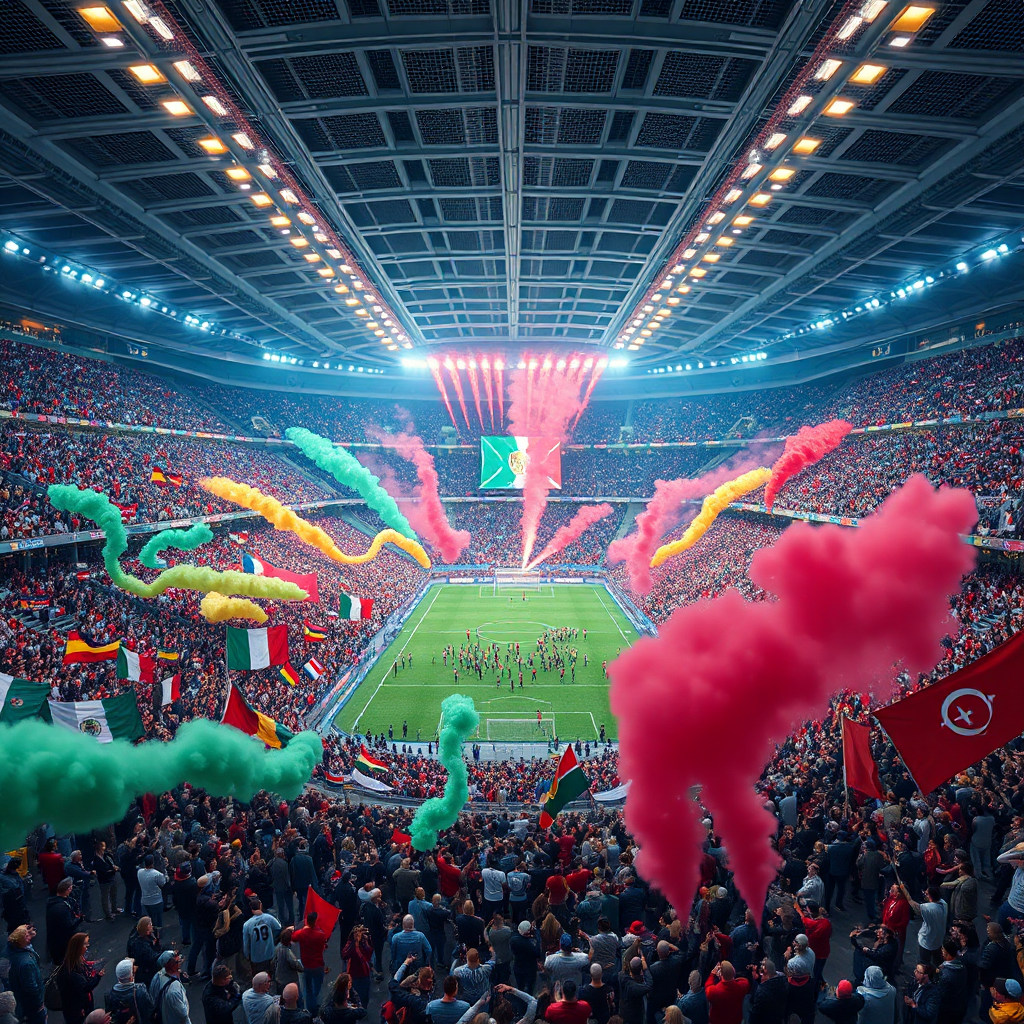
 Hình minh hoạ: cakhia-tv.top
Picture Quality, Latency, and Stream Legitimacy
Not all delivery methods perform identically under match conditions. When evaluating where to tune in, three technical variables consistently dictate the viewing experience: resolution stability, frame delivery speed, and operational transparency. Official broadcaster applications typically maintain strict Content Delivery Network routing, but geographic licensing often blocks access entirely. Aggregator platforms sometimes repurpose existing feeds through several relay hops, introducing packet loss and compounding latency. Direct sports platforms, when sourced responsibly, bridge the gap by optimizing bitrate allocation specifically for high-motion sequences like counterattacks and set pieces. Before committing to a provider, run a quick diagnostic: check the advertised codec support, review recent user feedback regarding stutter frequency, and confirm whether the interface displays accurate match timestamps. You can access a reliable direct entry point through cakhia-tv.top to compare these metrics against your own network baseline and identify which feed maintains consistent frame pacing.
| Streaming Method | Typical Resolution | Expected Latency | Legitimacy Verification |
|---|---|---|---|
| Official Broadcasters | 1080p–4K | 15–30 seconds | Licensing disclosed, official app domains |
| Third-Party Aggregators | 480p–720p | 45–90 seconds | Often opaque, relies on embedded redirects |
| Dedicated Sports Platforms | 720p–1080p | 20–40 seconds | Transparent feed sourcing, community monitoring |

Matching Your Device to the Stream
Hardware selection dictates how smoothly the incoming packet stream decodes into visible frames. Modern smartphones and smart TVs handle H.265 efficiently, reducing central processing strain during rapid motion sequences. Older tablets often struggle with adaptive bitrate switching, causing sudden quality reductions that interrupt visual continuity. For wired setups, Ethernet remains the most reliable option, eliminating interference from neighboring Wi-Fi channels. Wireless users benefit significantly from dual-band routers broadcasting on the 5GHz spectrum, which provides wider channel widths and lower contention. If you experience micro-stutters or audio-video drift, switch from dynamic ISP resolvers to public DNS endpoints like Cloudflare 1.1.1.1, as faster domain lookup reduces initial connection timeouts. Enable hardware acceleration in your browser configuration, keep GPU drivers current, and temporarily pause cloud backups or large downloads to preserve available throughput. Mobile viewers should also clear cached media partitions regularly to prevent memory fragmentation from impacting playback smoothness.
Frequently Asked Questions
Why does my stream freeze during penalty kicks?
Sudden motion spikes and crowd noise increase data demand. Lower your playback resolution one step below maximum to stabilize the bitrate allocation and allow the decoder to catch up.
Can I cast mobile broadcasts to a larger screen?
Yes, but casting protocols introduce additional encoding overhead. Connect both devices to the same 5GHz network segment and use native Chromecast or AirPlay integration to minimize transmission lag.
Is it safe to play streams on shared networks?
Public Wi-Fi exposes traffic to potential interception and introduces heavy congestion. Use a trusted personal router or a cellular hotspot with strong signal bars to maintain encryption and reduce packet competition.

Your Pre-Match Setup Checklist
- Run a speed test confirming minimum 10 Mbps download for stable HD playback.
- Select a dedicated player tab and disable browser extensions that inject tracking scripts.
- Enable hardware acceleration in your browser or application settings.
- Connect via Ethernet cable or a verified 5GHz Wi-Fi signal.
- Verify stream source transparency and cross-reference official match timestamps.
- Clear temporary cache files and pause background synchronization before kickoff.


Comentários